Smart Home Solutions Designed for People with Special Needs
A thoughtful look at how smart home technology can improve independence, safety, and comfort for people with physical, cognitive, or sensory challenges.
Designing for Everyone: Smart Home Solutions That Actually Make Life Easier
When we talk about smart homes, the conversation often revolves around convenience: dimming the lights without leaving the sofa, asking a robot to vacuum, or impressing friends with voice-activated blinds (yes, that’s a thing).
But there’s a more meaningful side to smart homes — one that isn’t just about cool gadgets, but about dignity, independence, and accessibility.
For people with special needs — whether physical, cognitive, or sensory — smart home technology isn’t a luxury. It’s a lifeline. And thankfully, the tech is finally starting to catch up to what people actually need.
So, What Can Smart Homes Do for People with Special Needs?
Short answer: A lot more than just turning lights on and off.
Longer answer? Let’s break it down:
Voice Control Isn’t Just a Gimmick
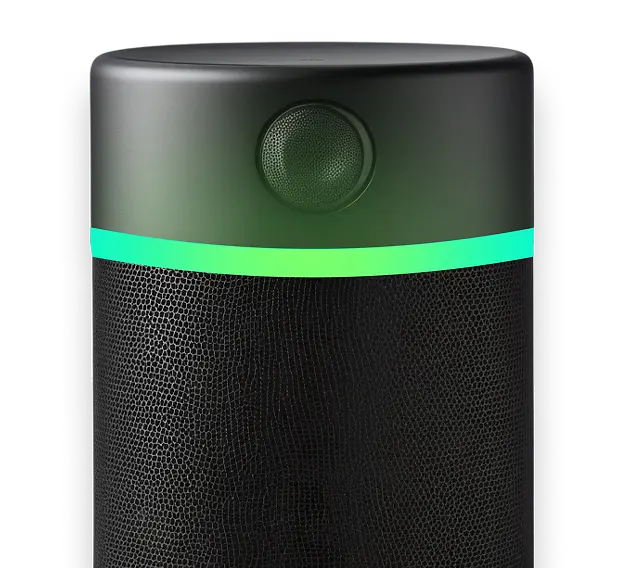
For individuals with limited mobility, voice assistants like Alexa, Siri, and Google Assistant can be game-changers.
- Turn on lights without reaching a switch
- Open the front door for a caregiver
- Adjust the thermostat from bed
- Even call for help without lifting a finger
Sure, some of us use these features out of laziness. But for others, they enable daily independence. That’s the difference design can make.
Sensors and Automations Can Help Keep People Safe
Motion sensors and contact sensors can do more than just trigger lights. They can help detect routines — and alert family or carers when something’s off.
- No movement in the kitchen by 10 a.m.? Send a notification.
- Front door opens unexpectedly at night? Trigger a check-in call.
- Bathroom door closed for too long? Could be worth investigating.
Discreet, respectful, and potentially life-saving. That’s the power of automation with a purpose.
Smart Locks and Video Doorbells Give Peace of Mind
Managing visitors can be stressful — especially for people with cognitive impairments, anxiety, or mobility challenges.
Smart locks allow remote access for trusted visitors, while video doorbells let users (or their families) see who’s at the door without rushing to answer it.
Yes, it’s great to tell the delivery driver to “just leave it on the step,” but it’s even better when these tools support confidence and safety.
Visual and Auditory Alerts for Sensory Needs
Not everyone hears a doorbell or sees a flashing light. Smart homes can accommodate with:
- Vibrating smart alarms
- Light-based cues for the hearing-impaired
- Voice or tone alerts for people with visual impairments
Customization is key — not everyone’s needs are the same, and thankfully, neither are the solutions.
Routines That Reduce Cognitive Load
Living with ADHD, autism, or memory-related conditions can make the simplest daily tasks exhausting. Smart home routines can help create structure.
- Morning lights, blinds, and music turn on at the same time each day
- Medication reminders via smart speaker
- “Goodnight” scenes that lock doors, dim lights, and reduce stimuli
It’s about supporting independent living without overwhelm.
Some Solutions That Stand Out
Here are a few platforms and devices doing meaningful work in accessibility:
- Apple HomeKit: Known for privacy, yes — but also offers excellent voice control and deep accessibility integrations via iOS.
- Amazon Alexa: Offers “Alexa Care Hub” to help families stay connected with vulnerable loved ones.
- Google Nest: Offers flexible routines and visual indicators for notifications.
- Eve Systems, Aqara, and other Matter-compatible brands: increasingly support reliable automations without needing the cloud (or tech wizardry to install).
Also worth mentioning: Home Assistant, the open-source platform, is being used in custom setups for everything from elderly care to autism-friendly home environments.
But Let’s Be Real…
Accessibility in smart homes isn’t perfect — yet. Many systems still require a smartphone or initial setup help, and not all devices are built with inclusivity in mind.
That said, we’re seeing a shift. More brands are considering real life use cases. More designers are listening to communities. And with standards like Matter improving interoperability, the future is looking brighter (and not just because the motion sensor turned the hallway light on again).
Final Thought
Smart home technology should work for everyone — not just the tech-savvy, the young, or the able-bodied.
The best design doesn’t scream “accessibility.” It just works, quietly and confidently, in the background. It helps people live more comfortably, more safely, and more independently — on their own terms.
And if that’s not what smart homes are for, what’s the point?