When Smart Homes and Smart People Collaborate: Minimalism by Design
How architects, electricians, and designers are finally working together to create elegant, user-first smart homes — without wires hanging like spaghetti.

When Smart Homes and Smart People Collaborate: Minimalism by Design
Let’s be honest: for a long time, building a “smart home” meant throwing gadgets at walls and praying they talked to each other. The result? Flashy tech, cluttered controls, and wires doing an interpretive dance across the ceiling.
But things are changing. The most beautiful, functional smart homes today don’t scream “tech.” They whisper it — seamlessly embedded into architecture, invisible in design, and powered by people who know that less is more.
So what’s the secret? Collaboration.
Architects, Electricians, and Designers — The Dream Team (When They Talk to Each Other)
Here’s the truth: no one profession owns the smart home experience.
- Architects shape the structure and flow.
- Electricians bring power and precision.
- Designers make it all look effortless.
- And then there’s the tech integrator — the translator between bits and bricks.
When these disciplines collaborate early, magic happens. When they don’t, you get a touchscreen thermostat mounted in the middle of a marble feature wall. Ouch.
Why Minimalism and Smart Tech Actually Get Along
Minimalist design isn’t about owning nothing — it’s about hiding everything that isn’t essential. That’s where smart homes shine.
- One elegant wall switch replaces five.
- Sensors automate lighting, so you don’t even need switches in some rooms.
- Voice and app control mean fewer physical interfaces.
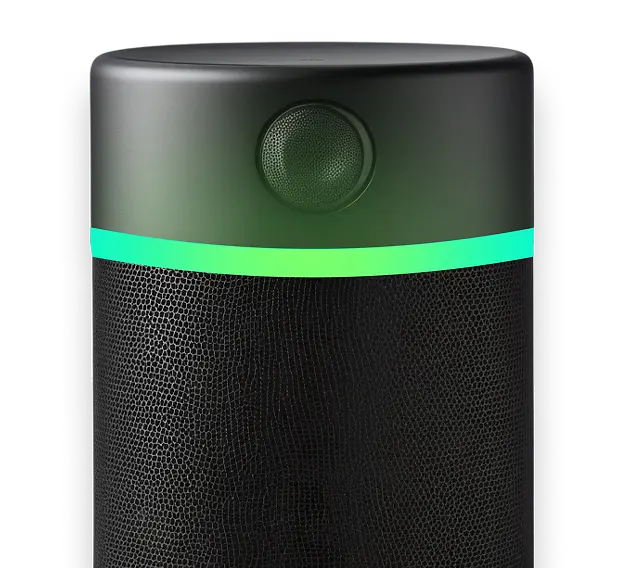
- Invisible speakers? Yes, please.
In the hands of a unified team, smart tech enhances minimalism rather than fighting it. The goal is not more control panels — it’s fewer visible ones.
The Best Smart Home Projects Start at the Blueprint Stage
Want a flush-mounted panel in just the right place? Want your lighting, blinds, heating, and security to run from one scene? Want it to look like magic?
Start planning early.
When architects and designers understand the technology — and when integrators understand the architectural intent — the end result is cohesive, not cobbled together.
Pro tip: loop in your smart home expert before the drywall goes up. Trust us on this one.
Common Pitfalls (and How to Avoid Them)
- Tech as an afterthought: Trying to retrofit sensors and hubs into a space already designed for symmetry is like squeezing a toaster into a gallery. Think tech-first and design-first.
- Overcomplicated systems: If it takes a user manual to turn on the lights, you’ve overdone it.
- Too many apps: Aim for a single app that controls everything. Bonus points if it’s also beautiful.
Smart minimalism is about editing, not adding.
A Few Solutions That Make Integration Easier
- Apple HomeKit or Matter-certified systems for projects that value both simplicity and security.
- Eve Systems and Aqara for elegant sensors and controls that don’t clash with the aesthetic.
And let’s not forget the value of Home Assistant for custom builds with complex needs — especially when you’ve got a tech-savvy architect or electrician in the mix.
Final Thoughts
The future of smart homes isn’t more tech — it’s better tech, designed with intention and invisibility in mind. The best projects happen when architects, electricians, and designers stop working in silos and start co-creating.
It’s not about gadgets. It’s about experience. And when done right, the only thing your guests will notice is how natural everything feels — and wonder why their lights don’t turn on when they walk in the room.
That’s smart. That’s minimalist. That’s the future.